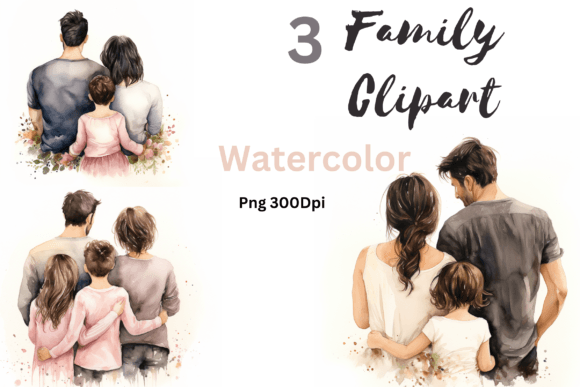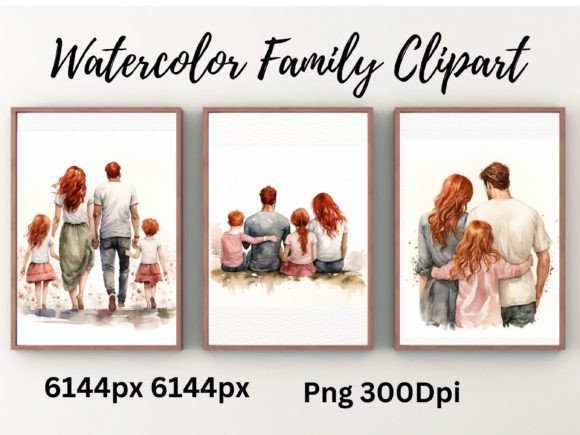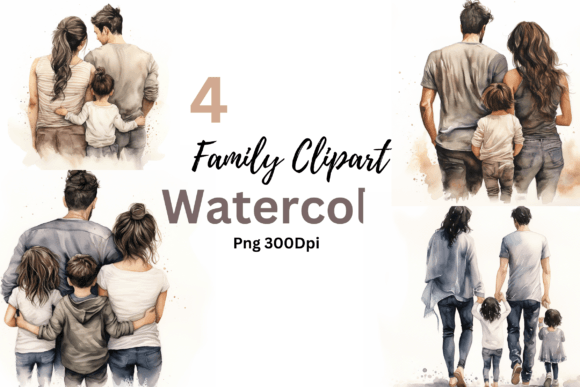
Family Clipart Sublimation for Crafts and Branding
As a brand designer who has spent years helping local businesses transition from garage projects to shelf-ready brands, I approach every new design asset with a mix of excitement and skepticism. When Family Clipart Sublimation landed on my desk, I didn’t just see a collection of illustrations; I saw potential packaging, potential customer trust, and potential revenue. Today, I am reviewing this graphic design asset not as a generic clipart bundle, but as a strategic tool for small business branding, product labeling, and promotional material creation.
The first impression of these assets is crucial. In the world of handmade goods and boutique retail, your visual identity does the heavy lifting before a customer even reads your price tag. The mood created by Family Clipart Sublimation is undeniably warm, approachable, and rooted in community. It suggests a brand personality that is friendly rather than corporate, organic rather than industrial, and personal rather than mass-produced. For a local bakery, a skincare line, or a handmade candle shop, this aesthetic bridges the gap between professional polish and artisanal charm. It feels soft yet structured, making it versatile enough for both playful children’s products and elegant home decor items.
Real-World Application: A Bakery Rebrand Scenario
To truly evaluate the utility of these design assets, let us imagine a real project. Consider "The Daily Crumb," a fictional local bakery looking to refresh its packaging. They currently use generic fonts and lack a cohesive visual theme. Their goal is to increase shelf appeal and create a memorable unboxing experience for online orders. This is where Family Clipart Sublimation becomes invaluable.
In this scenario, the clipart serves as the foundation for their brand identity. Instead of hiring an illustrator for every single item, the bakery owner can utilize these high-quality PNG designs to create a consistent look across all touchpoints. The assets are ideal for:
- Product Labels: Wrapping around bread bags or cookie tins, adding a hand-drawn feel that signals freshness and care.
- Packaging Accents: Decorative borders on boxes that frame the logo without overwhelming it.
- Hang Tags: Attached to gift baskets or seasonal bundles, providing space for thank-you messages alongside charming illustrations.
- Social Media Graphics: Creating Instagram stories and posts that maintain visual consistency with physical products.
By integrating these elements, the bakery achieves stronger first impressions and better product recognition. Customers immediately associate the specific style of the clipart with the quality of the food inside. This clarity in visual hierarchy helps guide the eye from the appetizing image to the essential information, such as flavor and price.
Expanding Beyond Packaging: Promotional and Digital Use
While packaging is often the primary use case for sublimation-friendly assets, the versatility of Family Clipart Sublimation extends far beyond physical labels. In today’s digital-first economy, a strong brand presence requires consistent marketing visuals across multiple platforms. These design assets support business presentation by improving customer trust through polished, professional branding.
For social media managers and creative entrepreneurs, these illustrations can be adapted into web design elements, website banners, and promotional ads. Imagine using a large-scale version of one of the central figures as a hero graphic on a landing page, or breaking down smaller elements to create bullet points for a menu graphic. The ability to scale these vectors ensures that whether you are printing a large poster or a tiny sticker, the quality remains sharp.
Furthermore, these assets are perfect for printable inserts. Including a thank-you card or a "care instructions" sheet with every order adds a layer of professionalism that encourages repeat purchases. When a customer receives a beautifully designed package that includes matching digital files for social sharing, they are more likely to engage with the brand online, creating a seamless loop between offline and online marketing.
Strategic Placement: Where the Asset Shines
Not every design element works everywhere. To maximize the impact of Family Clipart Sublimation, it is essential to know where it fits best within your layout strategy. These illustrations excel as decorative brand elements that add personality without clutter. They work exceptionally well on:
- Boutique Visuals: Display boards in physical stores or pop-up shops.
- Seasonal Campaigns: Holiday-themed packaging or limited-edition product launches.
- Editorial Design: Lookbooks or catalogs that tell the story behind the brand.
- Product Mockups: Presenting your final designs to clients or stakeholders in a realistic context.
The emotional connection forged by these warm, family-oriented images is powerful. They evoke feelings of nostalgia, comfort, and care—emotions that are highly desirable in industries like food, beauty, and home goods. By aligning your brand with these positive associations, you create a more polished marketing visual that resonates deeply with your target audience.
Critical Considerations: Where to Exercise Caution
Even the best graphic design asset must be used judiciously. There are scenarios where Family Clipart Sublimation might detract from your message rather than enhance it. Avoid using these assets in formal corporate branding contexts where minimalism and stark professionalism are required. Similarly, if you are designing for luxury minimalist brands, the illustrative nature of these clips may feel too casual or busy.
Be cautious when placing these graphics on very small labels or crowded product packaging. If the illustration competes with important text, such as ingredient lists or legal information, the result will be confusing and unprofessional. Ensure there is sufficient white space around the clipart so it can breathe. Additionally, test the asset against low-contrast backgrounds; intricate details may get lost if the color palette is not carefully chosen. Remember, the goal is to support the content, not overpower it.
Practical Designer Notes for Implementation
Before committing to a full rebrand or production run, follow these practical steps to ensure success:
- Test on Real Mockups: Do not judge the asset solely on a white background. Place it on actual packaging materials, paper textures, or fabric samples to see how it interacts with different surfaces.
- Check Black and White Usage: Convert the design to grayscale to ensure it still holds up visually without relying on color alone. This is crucial for cost-effective printing options.
- Preview on Small Scales: Zoom out significantly. Can you still distinguish the key elements? If not, simplify the application or choose a less detailed asset from the set.
- Font Pairing: Test the clipart with various font styles. It pairs well with serif fonts for a classic look, sans serif fonts for modern clarity, and script fonts for a handwritten touch. Avoid pairing it with overly decorative display fonts that clash.
- Review Transparency: Inspect the PNG transparency edges closely to avoid unwanted halos when placing the graphics over colored backgrounds.
- Confirm Licensing: Most importantly, verify the commercial license. Ensure you have the right to use these SVG or PNG designs for client work, physical product sales, and unlimited digital distribution. Without proper licensing, you risk legal issues and financial penalties.
In conclusion, Family Clipart Sublimation is more than just a collection of pretty pictures. It is a robust design asset that can elevate a local business from amateur to professional. By understanding its strengths, respecting its limitations, and applying it strategically across packaging, digital media, and promotional materials, you can build a brand identity that is not only visually appealing but also commercially viable. For small business owners and designers alike, this asset offers a reliable path to creating cohesive, trustworthy, and engaging brand experiences.