Fish in Christmas Hat Embroidery Design Review
As a designer who spends more time staring at stitch charts and fabric swatches than sleeping, I have learned to trust my gut before I ever load an embroidery file into the machine. When I first pulled up the digital preview for the Fish in Christmas Hat, I didn’t just see a cute graphic; I saw a potential bestseller for the holiday season, but also a tricky little beast that requires careful handling if you want your finished product to look professional rather than amateur.
This isn’t just another clipart file slapped onto a hoop. It is a machine embroidery design with specific personality traits that dictate where it belongs and how it should be executed. Whether you are an Etsy seller looking to refresh your shop inventory or a crafter making a personalized gift for a loved one, understanding the nuances of this piece is crucial. Here is my honest breakdown of how this design performs in real-world scenarios.
First Impressions: Mood and Visual Personality
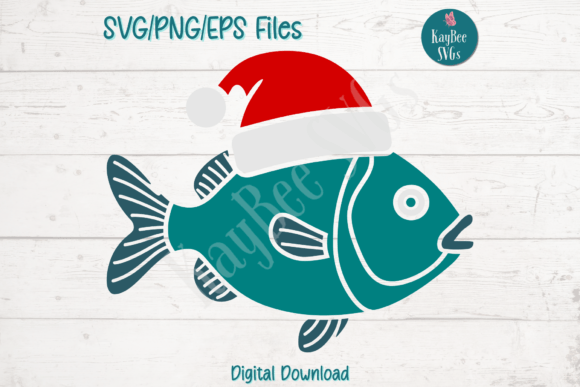
The immediate vibe of the Fish in Christmas Hat is playful yet cozy. It taps directly into that whimsical aesthetic that performs exceptionally well in the crafts category during Q4. The visual weight is balanced, meaning it won’t overwhelm smaller garments, but it has enough detail to hold its own on larger items like tote bags or aprons. The character feels approachable, which translates to higher engagement when customers see it on social media mockups.
From a pure design standpoint, the layout suggests a central focus. This makes it ideal for chest placements on sweatshirts or centered designs on baby onesies. However, the "fish" element introduces organic curves that contrast nicely with the geometric lines often found in traditional holiday patterns. This contrast is what gives the design its charm, but it also demands a good quality stitch execution to avoid looking muddy.
Real-World Application: Where This Design Shines
I have tested various designs in my studio, and the Fish in Christmas Hat shows particular strength in specific product categories. It is not a one-size-fits-all solution, but rather a targeted asset for niche markets.
- Holiday Apparel: This design is perfect for sweatshirt embroidery. When placed on the left chest of a neutral-colored crewneck, it adds a subtle touch of humor without being loud. It works equally well on t-shirts for casual wear.
- Baby and Nursery Items: The soft, rounded nature of the fish shape makes it safe and appealing for baby embroidery. Think bibs, muslin cloths, or nursery wall hangings. The theme is gentle enough for a newborn gift registry.
- Home Decor and Kitchen Textiles: I see high potential here for kitchen towels and aprons. A tote bag design featuring this fish could easily become a staple at craft fairs. The festive theme aligns perfectly with winter hosting seasons.
- Accessories: While caps can be tricky, this design’s compact footprint might work well as an embroidered patch on beanies or winter hats, provided the curvature is managed correctly.
Technical Considerations and Stitch Clarity
When evaluating any digital embroidery file, I always look at the stitch density and type. For the Fish in Christmas Hat, the use of fill stitch for the body and hat provides a solid, textured look that holds up well to washing. However, you must pay attention to the finer details, such as the eyes and the trim of the hat.
If the stitch density is too high, those small details can pucker, especially on thinner fabrics. Conversely, if it is too low, the design may look sparse and lack definition. I recommend reviewing the thread colors carefully. High contrast between the fish body and the background fabric is essential for clarity. On dark fabrics, you will likely need a stabilizer layer underneath to prevent the stitches from sinking into the weave.
Another critical factor is the hoop size. Ensure your machine’s hooping area accommodates the full width of the design without cutting off any elements. If you are scaling the design down for smaller projects, verify that the smallest details remain legible. There is nothing worse than a customer receiving a finished product where the fish’s expression is lost due to poor scaling.
Where to Use With Caution
Not every surface is created equal. There are several scenarios where this design might struggle:
- Stretchy Fabrics: Unless you use a strong tear-away or cut-away stabilizer, knit fabrics may distort under the tension of the stitches.
- Textured Fabrics: Heavy wools or bouclé fabrics can hide the intricate details of the design, resulting in a blurry appearance.
- Small Hoop Sizes: Attempting to fit this design into a very small hoop (under 4x4 inches) risks losing the character’s personality. The hat might merge with the fish’s head, creating a confusing silhouette.
- Curved Surfaces: While possible on caps, embroidering on curved surfaces requires advanced technique. Beginners might find the design distorts if the fabric is not properly stabilized against the curve.
Impact on Brand and Customer Perception
For small business owners and commercial embroidery practitioners, the quality of your design directly impacts your brand consistency. A well-executed Fish in Christmas Hat signals professionalism. It shows that you care about the details, which builds customer trust.
When buyers see a clean, crisp embroidery job on a handmade product, they are more willing to pay a premium price. They perceive value in the craftsmanship. On the other hand, a sloppy execution can lead to negative reviews and returns. Therefore, testing is non-negotiable.
Practical Designer Notes Before You Stitch
Before you commit this design to a final project, follow these steps to ensure success:
- Test on Scrap Fabric: Always run a test stitch-out on the exact fabric you plan to use. This reveals issues with tension, puckering, or color clashes.
- Check Thread Contrast: View your design in black and white mockups to ensure the shapes are distinct. If the design relies on subtle color differences, it may not translate well to embroidery.
- Inspect Small Details: Zoom in on the digital file. Are the eyes clear? Is the hat brim defined? If the details are too fine, consider simplifying them in your digitizing software if you have the skills.
- Confirm Licensing: If you intend to sell the finished items, verify the commercial embroidery license terms. Some files are for personal use only. Ignoring this can lead to legal issues.
- Use Proper Stabilizer: Match the stabilizer to the fabric weight. Heavy fabrics need heavy stabilizers; light fabrics need lightweight options to prevent bulkiness.
Final Verdict
The Fish in Christmas Hat is a charming, versatile addition to any embroidery project library. It bridges the gap between cute and trendy, making it suitable for a wide range of audiences. From custom apparel to holiday gifts, this design has the potential to drive sales and delight recipients. However, its success depends entirely on your preparation and execution. Treat it with the respect a professional design deserves, and it will reward you with beautiful, marketable results.
Whether you are adding this to your design assets for next year’s catalog or crafting a unique present today, the Fish in Christmas Hat is a worthy candidate. Just remember: the magic happens in the preparation. Test thoroughly, choose your materials wisely, and let the design speak for itself.